



HALLIDAY FINANCIAL Building for the Future: A Case Study



"In April 2024, we had about 300 clients and $200 million in assets. Today, we serve roughly 80 clients and manage close to $300 million."
Gaining Control with Pareto
How a growing advisory team that had become overwhelmed by complexity and operational demands regained control of their business. By implementing a structured client experience framework and reducing their client base, they increased assets under management and built a more scalable, focused practice.
Halliday Financial is a client-centric firm, always placing client needs and goals first. To quote them, "we put people at the center of everything we do. Our approach to financial advising starts with getting to know you as an individual, not just as a client. We believe that understanding your life, goals, and challenges is essential to crafting a financial plan that truly reflects your needs " your financial plan is not just a set of numbers but a dynamic, living strategy that evolves with you over time " we consider your success our success."
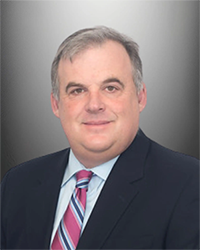
This case study was developed based on an interview with Jim Werner, Certified Financial Planner and Vice President at Halliday Financial..
Tell us a bit about you, your practice and how you got started in the industry.
This past weekend marked my 20-year anniversary of receiving my securities license. I earned it on November 22, 2005. Before entering financial services, I was working as a civil engineer for a construction materials company. While I enjoyed the work, I felt limited - there was a salary cap, a fixed sales territory, and sales were constrained by available inventory.
I took advantage of the company's tuition reimbursement program and earned a business degree. During that time, I discovered financial planning and realized it offered something very different: no salary cap, no territory limits, and no inventory constraints. Early on, the industry was very sales-focused, but over the past 20 years - both personally and professionally - it has evolved into a comprehensive financial planning and investment advisory profession. Today, it's about delivering full-service advice to families, not selling products. It's been an incredibly rewarding career, and it continues to get better with Pareto behind us.
Prior to engaging with Pareto, what would you say were your team's biggest challenges, and what were the main goals you were looking to achieve?
Before engaging Pareto, one of our biggest challenges was being victims of our own success. The business was growing faster than we could control. We were busy, but it was chaotic busy - not productive busy. The business was running us instead of the other way around, and it was consuming our personal lives. We talked to clients about financial freedom and time, yet we didn't have those things ourselves. We knew our path was unsustainable, but we didn't know how to fix it.
That's when we were introduced to Pareto and began working with Terry Gronbeck-Jones. For the past 18 months, we've met every two weeks, and the change has been transformational - both professionally and personally.
What were the biggest gaps you identified?
One of the biggest gaps we identified was inefficiency. The Pareto Principle was clearly at work: the bottom portion of our client base was consuming most of our time while generating relatively little revenue. We were offering a lifestyle to clients that we hadn't planned for ourselves. That disconnect had to be corrected before we could continue growing.
How has Pareto helped you to address those gaps? How has Pareto helped you to start realizing your goals?
When we started with Pareto in April 2024, we had about 300 clients and $200 million in assets. Today, we serve roughly 80 clients and manage close to $300 million. Our client count dropped by nearly two-thirds, while assets increased by about 50%. More importantly, we now control the business instead of the business controlling us.
What parts of the process have had the biggest impact on your business so far?
The first major step was Pareto's Total Client Engagement process - a comprehensive audit of everything we did and why. We discovered we were offering more than 100 client services and managing over 100 internal responsibilities, many without clearly defined ownership or ROI. Advisors were spending time on non-revenue-producing tasks, which wasn't sustainable.
Through Pareto, we documented processes, clarified roles, segmented our client base, and built a service model aligned with client needs. We added additional advisors to support this structure, allowing us to spend more time with ideal clients who value our work and advocate for the firm.
What we ultimately discovered was alignment. Our clients wanted the same things we did: to support their families, enjoy meaningful work, experience life, and have control over their time. That alignment made planning conversations more natural and impactful.
Can you share a success story you have had because of the work you are doing with Pareto?
One example that stands out involves a client named Joan, who came to us through an attorney's referral. After just two meetings, she transferred her accounts from a well-known national firm where she'd been for 17 years. When asked what we offered that her previous firm didn't, she answered simply: "Their Formation Process."
The Formation Process is our branded planning framework developed through Pareto. FORM stands for:
- Family - multi-generational planning
- Occupation - work-optional lifestyle planning
- Recreation - meaningful experiences
- Money - tying it all together

We don't just talk about it - we've built a branded playbook and tangible materials that clients receive before their first meeting. By the time Joan walked into our office, she already understood who we were, how we operated, and what to expect. That clarity created immediate confidence.
We also deliver a Personal Financial Organizer to clients - a consolidated, physical resource that houses everything of financial significance. In a digital world, having something tangible provides peace of mind and reinforces the value of comprehensive planning.
Would you recommend Pareto Systems to other advisors?
Would I recommend Pareto? Absolutely - but with an important caveat. The results speak for themselves, but it requires real commitment. We've invested five to ten hours per week for over a year. Not everyone is willing to do that work. For those who are, the payoff is substantial and long-lasting.
Twenty years ago, this industry was about sales. Today, it's about lifestyle, alignment, and long-term value. Working with Pareto helps ensure we stay ahead of the curve, continue evolving, and - most importantly - keep running the business instead of letting it run us.